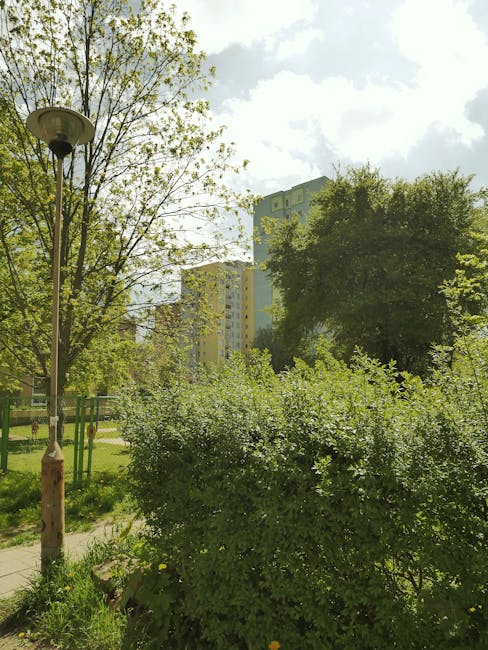
Wormwood Scrubs Park gardeners guide for small front yards
If your front yard feels more like a narrow strip than a proper garden, you are not alone. Small front spaces in West London need a different approach: less clutter, smarter planting, better boundaries, and a layout that looks tidy from the pavement without becoming high-maintenance. This Wormwood Scrubs Park gardeners guide for small front yards shows you how to make a compact frontage feel greener, calmer, and more welcoming without wasting money or space.
In practice, the best small-front-yard gardens do three things well: they frame the entrance, soften hard surfaces, and stay easy to look after through the seasons. That sounds simple enough, but the details matter. A good plan can make a tiny forecourt feel twice its size. A poor one can make it feel cramped by Tuesday morning. Let's fix the second version.
Why Wormwood Scrubs Park gardeners guide for small front yards Matters
Small front yards are not just decorative. They are the first thing you see when you get home and the first thing neighbours, visitors, and passers-by notice. In a place like Wormwood Scrubs, where homes can have compact entrances, mixed paving, boundary walls, and limited planting depth, the front yard often has to do a lot with very little.
That is why a local, practical approach matters. The aim is not to cram in more plants. It is to balance structure and softness. A narrow front garden can be transformed with a few strong decisions: a simple planting palette, tidy edging, careful pruning, and a surface plan that works in wet London weather. If you want broader support with the overall layout, landscaping in Wormwood Scrubs W12 is often the right place to start, especially when the front space needs both design and function.
There is also a quieter benefit people often miss. A well-kept front yard reduces the sense of visual noise. That sounds a bit fancy, but it simply means your entrance feels calmer. A small bed with clipped evergreen shrubs, one or two seasonal pots, and a clean path can do more for kerb appeal than a crowded border ever will.
Expert summary: For small front yards, the winning formula is usually structure first, planting second, maintenance always. If the bones of the space are right, even modest planting choices look intentional.
How Wormwood Scrubs Park gardeners guide for small front yards Works
The process starts with observation. Before you buy anything, notice how the space behaves during the day and after rain. Where does the light fall? Which corner stays damp? Does wind funnel down the street? A tiny garden can look lovely in April and then struggle in November if these basics are ignored.
The next step is to define the purpose. Most small front yards need to answer at least one of these questions: do you want a welcoming entrance, more privacy, less maintenance, or a bit of both? Once that is clear, the design choices become easier. For example, if privacy matters most, a neat hedge can work better than trying to hide behind several mismatched planters. For some homes, hedge trimming in Wormwood Scrubs W12 becomes part of the solution, not an afterthought.
After that, the work is about layering. Small front yards usually benefit from three layers:
- Structure: path edges, low walls, fencing, or boundary planting.
- Softening: shrubs, climbers, ground cover, or seasonal containers.
- Finishing detail: mulch, gravel, clean paving, and simple lighting.
Truth be told, the front yard often looks best when there is one clear idea repeated in a few ways. A repeated shape, similar leaf texture, or consistent colour can do the job nicely. Too many ideas at once? That is how a small entrance starts to feel busy at 7:30 in the morning when you are trying to leave the house with a coffee and one missing glove.
Maintenance then keeps everything honest. If the space is meant to be low-effort, choose plants and surfaces that support that goal. A small garden can stay sharp all year with regular tasks such as pruning, weeding, sweeping, and seasonal checks. A reliable garden maintenance service in Wormwood Scrubs W12 can help keep the plan on track once the initial layout is in place.
Key Benefits and Practical Advantages
The benefits of improving a small front yard go well beyond appearances. Yes, kerb appeal matters, but the practical gains are often what make the biggest difference over time.
- Better use of space: A compact frontage feels more generous when every metre has a job.
- Less clutter: Clear layout decisions stop the garden from becoming a holding area for bins, pots, broken ornaments, and random extras.
- Improved first impression: This matters if you plan to sell, rent, or simply want your home to feel cared for.
- Easier upkeep: The right plants and materials reduce time spent on constant intervention.
- Seasonal interest: Small spaces can look good all year if you mix evergreen structure with a few changing accents.
There is also a comfort factor. A front yard that feels calm at the entrance sets the tone for the whole property. It is a tiny thing, really, but you notice it every day. The sight of a neat threshold, a clipped edge, or a couple of healthy containers can make coming home feel better. That counts for something.
If your current frontage is dominated by hard paving, a small amount of soft landscaping can make a surprising difference. In some cases, cleaning the hard surfaces is just as important as planting. Mossy slabs, dull paving, and stained paths can drag down even the best planting plan. That is where patio cleaning in Wormwood Scrubs W12 can support the overall effect, especially on compact forecourts where every square metre is visible.
Who This Is For and When It Makes Sense
This guide is especially useful if you have a small front garden in Wormwood Scrubs or nearby and you are trying to solve one of these problems:
- The space looks bare and uninviting.
- The current layout feels awkward or overstuffed.
- You want privacy without blocking light completely.
- You need a low-maintenance front yard because time is limited.
- You are starting from scratch after building work, neglect, or a long period of patch-and-pray gardening.
It also makes sense if you are preparing to renovate in stages. Not every frontage needs a full redesign at once. Sometimes the sensible move is to clear, simplify, and rebuild the garden over two or three visits rather than forcing everything into one weekend. If you are at the beginning of that process, garden revitalisation ideas can help you think about priorities without overcomplicating things.
Homeowners, landlords, and tenants can all benefit. So can people with mobility concerns who need safer paths and less awkward stepping over containers. And if the front garden is shared or partly boundary-led, a tidy, considered design can reduce friction. Nobody wants a scruffy hedge arguing with a narrow path, honestly.
Step-by-Step Guidance
1. Start with a full reset
Remove dead plants, broken containers, weeds in cracks, and anything that does not earn its place. This is the part most people skip because it is not glamorous. But clearing the slate gives you room to see the actual shape of the garden.
Check whether the current surface drains properly and whether any part of the front yard is compacted. Compacted soil is common in small urban gardens, especially where people have walked the same route for years.
2. Measure the usable area properly
Do not guess. Measure the width, depth, and the position of doors, steps, drains, and boundary features. In small spaces, even a 20cm mismatch can matter. A container that looked neat in your head can block a route in real life. Happens all the time.
3. Choose a simple layout
Use one dominant path line and one planting style. That could mean a central path with planting on each side, or a side path with one narrow bed and one feature pot. The key is to keep the eye moving without creating dead ends.
If your frontage needs stronger structure, consider small-scale fencing or a boundary detail that frames the space instead of swallowing it. A measured approach to garden fencing in Wormwood Scrubs W12 can support privacy, security, and design in one go.
4. Select plants that behave well in small spaces
Look for plants with manageable growth habits, decent tolerance of London conditions, and enough visual interest to work without needing a huge number of companions. Evergreen shrubs, compact grasses, and container-friendly perennials are often the backbone of a small front yard.
Ground cover is especially useful because it reduces bare soil, suppresses weeds, and softens edges. For inspiration, the article on ground cover options for UK gardens is a practical place to borrow ideas.
5. Add vertical interest carefully
If the garden is tiny, vertical features can create height without eating floor space. Trellis, climbing plants, or a well-placed obelisk can make the front yard feel layered and alive. Just do not overdo it. A front yard with four competing vertical elements can start to feel like it is trying too hard.
The idea is to guide the eye upwards, not trap it. If you want more privacy or screening, evergreen climbers and tidy hedging can work beautifully, especially in narrow plots where side space is limited.
6. Finish with surfaces and edges
Edging is one of the least exciting parts of the job and one of the most important. Crisp edges make everything look deliberate. Add mulch around plants, keep paving clean, and avoid letting turf or weeds spill into paths. The final few percent of effort often gives you the biggest visual return.
Where there is lawn, keep it trimmed and simple. In very small front yards, grass can be a feature or a nuisance; it depends on drainage, sunlight, and how much mowing you really want to do. If the lawn is part of the design, lawn mowing in Wormwood Scrubs W12 keeps the whole entrance looking intentional rather than half-finished.
Expert Tips for Better Results
Over time, the best small front yards tend to follow a few reliable patterns. Nothing flashy. Just sensible choices made early and maintained steadily.
- Limit the palette: Two or three main colours usually look richer than a rainbow of mixed bedding plants.
- Repeat shapes: If one pot works, use two or three similar ones rather than a jumble of styles.
- Use evergreen anchors: These hold the garden together in winter when softer planting fades.
- Keep sightlines open: In tight front gardens, too much height near the door can feel closed-in.
- Plan for rain: London weather will test the space. Slippery paths and soggy borders are not just annoying, they change how you use the garden.
A small human observation here: the gardens that age best usually look boring in the planning stage. And that is a good thing. The uncomplicated plan is the one that stays attractive when the novelty wears off and the weeds start thinking about it.
If weather exposure is a concern, it is worth looking at wind protection and plant resilience early on. A helpful read on protecting gardens from strong winds can save you from losing fragile planting at the first rough spell.
For homes that need privacy, the trick is not to build a wall of green. It is to use the right heights in the right places. Lower planting near the path, taller screening near the boundary. That simple shift makes a small front yard feel open but not exposed.
Common Mistakes to Avoid
Small front yards expose mistakes quickly. There is nowhere for poor decisions to hide, which is a blessing in disguise. Here are the ones that trip people up most often.
- Overplanting: Too many species creates a crowded look and makes upkeep harder.
- Using oversized pots: Big containers can overwhelm a narrow entrance and steal walk space.
- Ignoring maintenance: A tidy design can slide fast if pruning and clearing are not built in.
- Forgetting drainage: Waterlogged beds and slippery paths are bad for appearance and usability.
- Choosing thirsty plants for dry spots: Mismatch equals disappointment, every time.
- Blocking the doorway: Anything that interrupts the route to the front door becomes annoying quickly.
Another common issue is mixing too many hard materials. Gravel, brick, concrete, and timber can all work well, but not all at once. When a small yard has too much material variety, it can begin to feel like a sample board rather than a garden. A calm surface language helps more than people expect.
If the front area includes old timber, loose panels, or a boundary that has seen better days, do not ignore it. Good planting can disguise some problems, but it cannot solve everything. Sometimes the cleaner long-term fix is to review the boundary alongside the planting plan.
Tools, Resources and Recommendations
You do not need a van full of specialist kit to improve a small front yard. A modest, well-chosen set of tools will do more than a heap of gadgets collecting dust in the shed.
- Hand trowel and hand fork: for planting, weeding, and small soil jobs.
- Secateurs: for trimming stems, deadheading, and light pruning.
- Spade or border fork: useful for refreshing compacted beds.
- Stiff broom or patio brush: for keeping paths and steps tidy.
- Watering can with a fine rose: better for containers and young plants than a heavy hose blast.
- Gloves and kneeler: simple, but they make regular maintenance easier.
For content ideas and practical planting direction, the following local and site-based resources are especially relevant:
- container gardening ideas for small, flexible displays
- vertical gardening tips for narrow front spaces
- budget-friendly garden ideas if you are improving the yard in stages
- privacy planting ideas where screening matters
- compost and soil improvement guidance for healthier beds
If you want broader practical help rather than just a one-off refresh, gardening services in Wormwood Scrubs W12 can cover planting, maintenance, pruning, and general front-garden care as a joined-up job. That is often the neatest route for busy households.
Law, Compliance, Standards, or Best Practice
For most small front-yard gardening projects, the main concern is not formal regulation but sensible practice. That said, there are a few things to keep in mind in a London setting.
First, boundaries matter. Before changing fencing, hedging, or retaining edges, make sure you are clear about which side of the boundary is yours and whether any shared arrangement exists. If in doubt, avoid assuming. It saves a lot of awkwardness later.
Second, think about visibility and safety. Front gardens close to pavements or driveways should not obstruct sightlines, overhang walkways, or create trip hazards. A beautiful front garden that causes a stumble is, frankly, not a good design.
Third, if you are planning tree work or dealing with larger branches, use proper care and judgement. Tree surgery can involve safety risks and may be subject to local considerations, especially if there are protected trees or shared spaces nearby. For larger or more technical work, it is sensible to use tree surgery support in Wormwood Scrubs W12 rather than improvising.
Best practice is simple: keep access clear, choose materials that suit the space, and do not create maintenance problems you cannot realistically keep up with. A small front yard should be easier to live with, not more demanding.
Options, Methods, or Comparison Table
Different small front yards need different approaches. The right method depends on whether your main goal is privacy, tidiness, softness, or low maintenance. Here is a straightforward comparison.
| Method | Best for | Strengths | Watch-outs |
|---|---|---|---|
| Container-led design | Very narrow or paved front yards | Flexible, tidy, easy to change seasonally | Needs watering and can look cluttered if overused |
| Low planting border | Homes wanting a gentle, open feel | Softens hard edges without blocking light | Needs good weed control and consistent upkeep |
| Hedge or screening focus | Homes needing privacy or wind protection | Creates structure and enclosure | Can become bulky if not pruned regularly |
| Mixed hardscape and planting | Forecourts with steps, paths, or existing paving | Balances practicality and greenery | Needs careful material choice to avoid visual clutter |
To be fair, there is no single best answer. A tidy front yard with one strong planting scheme can beat a more ambitious design that is never maintained. Consistency usually wins.
Case Study or Real-World Example
Imagine a small terraced front yard in Wormwood Scrubs with a short path, a narrow bed by the window, and a battered patch of grass that has never really settled in. The owners want the entrance to feel welcoming, but they do not want something fussy.
The redesign starts simply. The old soil is cleared, the path is pressure-cleaned, and the bed is re-edged. A compact evergreen shrub is placed near the corner to give year-round structure. Two matching pots go by the doorway, each with a resilient seasonal plant. A small climber is trained up a trellis rather than allowed to roam. Ground cover is used in the bed to suppress weeds and knit the planting together.
The result is not dramatic in a magazine sense. It is better than that. It feels settled. The entrance now looks cared for even on grey mornings, and the upkeep has become manageable. There is still work to do, of course, because gardens are living things, but the daily burden has dropped. That is the real win.
In a case like this, the finishing touch is often service support for the bits that age fastest. A bit of pruning here, a seasonal tidy there, maybe support from regular maintenance when the weather turns messy. Nothing glamorous. Just sensible.
Practical Checklist
Use this as a quick pre-planting and pre-design checklist for a small front yard.
- Measure the space and mark fixed features.
- Decide the main purpose: privacy, welcome, low maintenance, or all three.
- Remove anything dead, broken, or unnecessary.
- Check drainage and look for compacted soil.
- Choose one main layout idea and keep to it.
- Limit plant varieties so the design stays calm.
- Include at least one evergreen element for winter structure.
- Use containers only where they improve flow, not block it.
- Keep paths, steps, and entrances clear.
- Plan maintenance now, not later.
- Review whether fencing, hedging, or tree work should be handled professionally.
- Set a seasonal tidy-up routine so the garden does not drift.
If you can tick most of those boxes, you are already ahead of the game. Really.
Conclusion
A small front yard does not need to be large to be lovely. It needs clarity, restraint, and a design that respects how the space is actually used. That is the heart of this Wormwood Scrubs Park gardeners guide for small front yards: make the entrance easier to live with, easier to maintain, and nicer to arrive home to.
Start with structure, add just enough planting to soften the hard edges, and keep the maintenance realistic. If you get those three things right, the space will feel better almost immediately. Not perfect, perhaps. Better. And often, better is exactly what the garden needed.
If you are ready to turn a cramped frontage into something calm and practical, the next step is a proper plan and a tidy execution. Professional gardening support in Wormwood Scrubs W12 can help you move from ideas to a front yard that actually works day to day.
Get a free quote today and see how much you can save.
Sometimes the smallest garden changes make the biggest difference when you walk up to the door.
Frequently Asked Questions
What makes a small front yard different from a back garden?
A small front yard usually has to balance appearance, access, and practical boundaries all at once. It is seen more often, used more directly, and usually has less room for mistakes than a back garden.
What are the best plants for a small front yard in Wormwood Scrubs?
Plants that stay reasonably compact, cope with local weather, and provide year-round structure are usually best. Evergreen shrubs, low ground cover, and container-friendly plants often work well.
How do I make a small front yard look bigger?
Keep the layout simple, use repeated shapes, avoid overcrowding, and open up the sightline from the path to the door. Clean edges and calm planting usually make the biggest visual difference.
Is a lawn a good idea in a tiny front garden?
Sometimes, yes, but only if the space gets enough light and the lawn will be easy to maintain. In many small front yards, a mixed planting or paved design is more practical.
How much maintenance does a small front yard need?
That depends on the design. A container-heavy or hedge-led frontage may need more regular attention, while a simple evergreen and ground-cover scheme can stay tidy with less work.
Should I choose hedging or fencing for privacy?
It depends on the look you want and how much upkeep you can manage. Hedging feels softer and more natural, while fencing gives a more defined boundary. Many gardens use both in different ways.
Can I improve a small front yard on a budget?
Yes. Start with clearing, edging, and pruning, then add one or two well-chosen plants or containers at a time. A modest plan done neatly will usually beat an ambitious plan done badly.
What is the easiest way to reduce weeds in a small front yard?
Use ground cover, mulch bare soil, and keep edges tidy. Regular light maintenance is far more effective than waiting until weeds take over the space.
Do I need professional help for a small front garden?
Not always. But if the garden needs fencing, hedge shaping, tree work, or a complete redesign, professional support can save time and prevent avoidable mistakes.
What should I avoid in a narrow front garden?
Avoid oversized features, too many plant varieties, cluttered containers, and anything that blocks the path or makes the entrance feel cramped.
How often should a front hedge be trimmed?
That depends on the species and growth rate, but regular light trimming is usually better than waiting for major cutbacks. A neat hedge keeps a small frontage looking cared for.
What is the most practical first step if my front yard is neglected?
Clear it. Remove rubbish, dead material, and weeds, then assess the shape of the space before adding anything new. Starting with a clean slate makes every later decision easier.