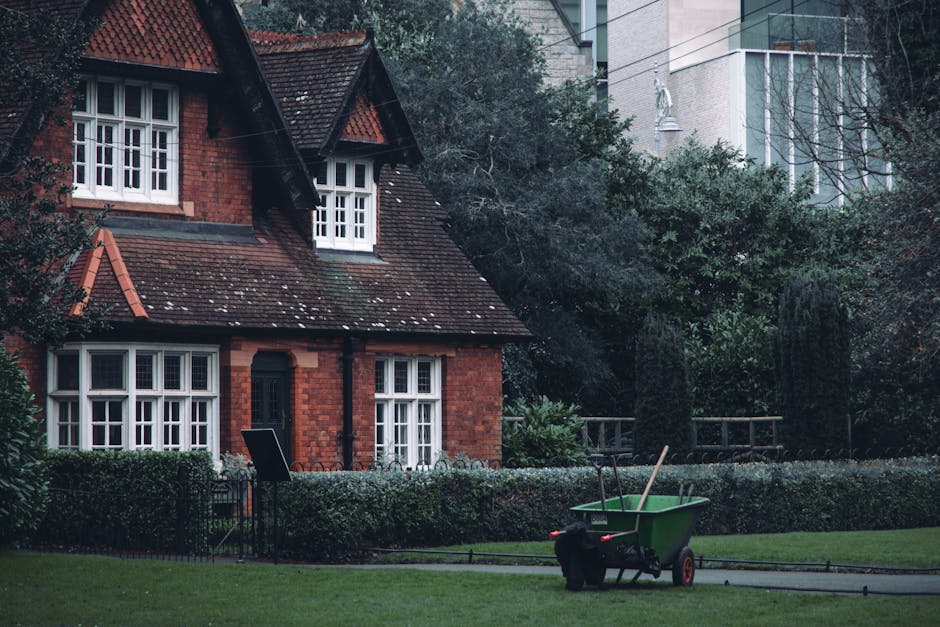
Latimer Road garden maintenance checklist for terrace homes
If you live in a terrace home near Latimer Road, you already know the garden has a particular personality. It may be narrow, partly shaded, a little windy at the rear, and always just one busy week away from becoming overgrown. A good Latimer Road garden maintenance checklist for terrace homes gives you a simple way to stay ahead of the mess, protect plants, and keep outdoor space feeling usable rather than neglected. This guide is built for real London gardens: compact, practical, and shaped by everyday life, not showroom perfection.
You will find a clear checklist, seasonal guidance, common mistakes, and the kind of maintenance choices that actually make a difference in terraced plots. If your space also needs structural work or a bigger refresh, it can help to think of this as the maintenance backbone that sits alongside regular garden maintenance support and, when needed, broader landscaping services.
Table of Contents
- Why Latimer Road garden maintenance checklist for terrace homes Matters
- How Latimer Road garden maintenance checklist for terrace homes Works
- Key Benefits and Practical Advantages
- Who This Is For and When It Makes Sense
- Step-by-Step Guidance
- Expert Tips for Better Results
- Common Mistakes to Avoid
- Tools, Resources and Recommendations
- Law, Compliance, Standards, or Best Practice
- Options, Methods, or Comparison Table
- Case Study or Real-World Example
- Practical Checklist
- Conclusion
- Frequently Asked Questions
Why Latimer Road garden maintenance checklist for terrace homes Matters
Terrace gardens are not like large suburban plots. They tend to be long and thin, often with a mixture of paving, borders, fencing, climbers, containers, and a modest lawn if you are lucky. That layout can look elegant, but it also means small issues build up quickly. A few weeds near a path, a hedge that is left a month too long, or a patio with damp leaf debris can make the whole place feel tired.
The checklist matters because it turns maintenance from a vague intention into a rhythm. Instead of asking, "What should I do now?", you already know what needs attention this week, this month, and this season. That is especially useful in areas close to rail lines, back lanes, or busy roads, where dust, leaf fall, and windblown debris tend to collect faster than you expect. A terrace garden can look calm from the house. Outside, it is often quietly busy.
There is also a curb-appeal angle, of course. In a terrace home, the garden often acts as a buffer between indoors and the wider world. Keep it tidy and it feels like an extra room. Let it slip and everything starts to feel smaller. Strange how that works, but it does.
If your space is dominated by hedges, climbers, or boundary screening, a focused hedge trimming service can be the difference between a neat private retreat and a garden that feels closed in. For more privacy-led planning, it is also worth looking at ideas in the article on lush fast-growing hedges.
How Latimer Road garden maintenance checklist for terrace homes Works
The checklist works by dividing garden care into layers: weekly, monthly, seasonal, and occasional. That simple split is important because terrace gardens often have a mix of fast-changing and slow-moving tasks. Lawn edges and weeds can change in days. Soil structure, patio staining, or hedge shape evolve over weeks and months.
Here is the basic logic:
- Weekly tasks keep the space presentable and stop tiny problems from spreading.
- Monthly tasks maintain plant health, structure, and surfaces.
- Seasonal tasks prepare for weather changes, growth spurts, or winter stress.
- Occasional tasks cover bigger jobs such as fence repairs, tree work, or replanting.
That approach suits terrace homes because they usually have limited storage, limited access, and neighbours close by. You want maintenance that is efficient, tidy, and realistic. Not a heroic weekend marathon. Nobody needs that.
In practice, a good checklist brings together different services and tasks into one plan. Lawn edging links with mowing. Hedge control links with boundary privacy. Patio cleaning links with safe foot traffic. Tree work links with light levels and root pressure. If you need a more joined-up approach, a broader gardening services overview can help you think beyond one-off jobs.
Key Benefits and Practical Advantages
A well-run terrace garden checklist does more than keep things tidy. It saves time, reduces stress, and helps you make better decisions about where to spend effort. That may sound a bit obvious, but honestly, many garden problems are really maintenance problems in disguise.
1. Better use of small space
In a terrace home, every square metre matters. When borders are weed-free, paths are clear, and planting is controlled, the whole garden feels bigger. Even a tiny side return can become usable if the routine is sensible.
2. Healthier plants
Regular deadheading, feeding, pruning, and checking for pests keeps plants resilient. Neglected container plants, especially, can go from fine to drooping fast. If you enjoy pots, the piece on container gardening ideas has useful planting inspiration.
3. Safer surfaces
Terrace gardens often combine paving, decking, lawn, and stepping stones. Algae, fallen leaves, and moss can make those surfaces slippery. Keeping them clean is not just about looks. It is about being able to walk out with a cup of tea without doing an awkward shuffle.
4. Less emergency spending
Routine care usually costs less than reactive work. A fence that is checked early is easier to repair. A hedge trimmed at the right time is simpler to manage. A tree inspected before it becomes a problem is a calmer conversation all round. If the garden needs boundary upgrades, fencing support may be part of the long-term fix.
5. Better seasonal resilience
London weather can be surprisingly unhelpful. Wind, sudden heavy rain, and dry spells all show up in terrace gardens. A maintenance checklist helps you adapt before the weather does the damage for you. There is a helpful related guide on designing gardens for severe weather, which pairs well with this topic.
Who This Is For and When It Makes Sense
This checklist is for anyone responsible for a terrace garden near Latimer Road, whether you own the property, rent with permission to garden, or look after a shared outdoor area. It is especially useful if you want the garden to be attractive without becoming a second job.
- Busy homeowners who want a simple maintenance rhythm.
- Landlords who need the exterior to stay presentable between tenancies.
- Families using the garden daily for play, meals, and storage.
- Older residents who prefer lighter, safer upkeep.
- New movers trying to understand what the garden actually needs.
It also makes sense when the garden has a few pressure points: an overgrown hedge, a tired patio, patchy lawn, or planters that never seem to thrive. In those cases, a structured routine beats random intervention. For lawns that need consistent attention, a dedicated lawn mowing service can be a useful option, especially during the main growing months.
And if your garden is in the "it's not awful, but it's not exactly lovely either" category - well, that is a very normal place to be. Most gardens start there.
Step-by-Step Guidance
Here is a practical way to work through the maintenance checklist without losing half a Saturday to indecision.
Step 1: Start with a full visual reset
Walk the garden slowly. Look for what is growing too fast, what is failing, and what is interfering with movement. Check the fence line, borders, paving joints, containers, and any shaded corners. In terrace gardens, those shaded corners often hide the first weeds and the first signs of damp.
Step 2: Tackle access and safety first
Remove broken pots, unstable stepping stones, and slippery debris. Trim anything snagging the path. If you have children, older visitors, or pets, this step matters more than cosmetic tidying. It sounds boring. It is not boring when somebody slips.
Step 3: Deal with lawn or ground cover
If you have a lawn, mow it at a sensible height for the season and keep edges crisp. If you have ground cover, cut back invasive growth and remove debris. Ground cover can be brilliant in terrace gardens because it reduces bare soil and weeds. For ideas that work well in UK gardens, see ground cover planting ideas.
Step 4: Prune, trim, and shape
Prune overlong shrubs, tidy climbers, and trim hedges before they become bulky. Shape should support light, airflow, and privacy. If the hedge is doing half the job of a wall, then it should be managed with that role in mind. That might mean a light seasonal trim, or it might mean a more structured shaping plan.
Step 5: Weed thoroughly, not just visually
Pull weeds from roots where possible, especially around paving edges and the base of containers. A quick top-off never lasts. In fact, weeds are a bit like laundry. Ignore them for three days and suddenly everyone notices.
Step 6: Clean hard surfaces
Patios, steps, and decking should be swept, washed, and checked for moss or algae. A tidy surface instantly lifts the whole garden. If the paving is stubbornly stained or slippery, patio cleaning support is a sensible way to restore the space without risking damage from harsh methods.
Step 7: Check containers and feeding
Containers dry out faster than borders and need more attention. Refresh compost, feed where appropriate, and remove dead or cramped plants. The article on orchid care may be useful if you keep houseplants or sheltered patio specimens that spill outdoors in warmer months.
Step 8: Inspect boundaries and larger structural features
Look at fencing, posts, gates, pergolas, decking boards, and trellis. A terrace garden often leans heavily on its boundary structures for privacy and support. If the structure is failing, the planting plan will struggle to compensate. For timber areas, decking services can help with worn boards, cleaning needs, or replacement advice.
Step 9: Review trees and mature shrubs
Do not leave major pruning to guesswork. Trees and larger woody plants can affect light, neighbours, and safety. If a branch is overhanging or looks unhealthy, professional tree surgery is the right move rather than a hopeful ladder and a pair of secateurs.
Step 10: Finish with a reset and note the next date
Rake, sweep, water where needed, and jot down what will need attention next week or next month. That final note is surprisingly powerful. It stops maintenance from becoming guesswork.
Expert Tips for Better Results
Small gardens reward consistency more than intensity. A few smart habits will keep a terrace garden looking better with less effort.
- Work from the edges inward. Clean borders, trims, and paths first. The garden will immediately look more contained.
- Use the weather well. A dry morning is ideal for pruning and sweeping. Damp evenings are better for watering and planning, not chasing leaves around.
- Think in layers. A terrace garden should have a clear floor, middle layer, and vertical structure. Vertical interest can be created with climbers, trellis, or container groupings. There is a helpful read on vertical gardening if you want more ideas.
- Keep hedge shape simple. Formal lines usually work better than busy sculpting in small gardens. If you want the hedge to feel lighter and more balanced, this guide to hedge shapes and techniques is worth a look.
- Refresh containers regularly. One tired pot in a small garden can drag down the whole scheme. Better to have three healthy, well-chosen pots than ten unhappy ones.
- Use screens selectively. A little privacy goes a long way in terrace homes. A dense hedge or trellis can reduce the "everyone can see everything" feeling without closing the garden in.
One more thing: do not overplant. It is tempting. We have all done it. But a crowded terrace garden quickly becomes a maintenance burden, and then the whole thing starts asking for more of your time than you intended.
Common Mistakes to Avoid
Most terrace garden headaches are predictable. The good news is they are avoidable once you know what to watch for.
Leaving pruning too long
When hedges and shrubs get beyond their shape, the fix usually takes longer and looks harsher. Light, regular trims are easier on the plant and the eye. If you have one hedge that seems permanently out of hand, it may need a proper trimming rhythm rather than occasional rescue work.
Ignoring drainage
Terrace gardens often have compacted soil or paving that channels water into awkward spots. If you see puddling, sour-smelling soil, or moss that returns fast, drainage should be part of the maintenance plan. Otherwise you end up fighting symptoms.
Using one routine all year
A summer checklist is not a winter checklist. Growth, light, and moisture all change. In colder months, protection and cleanup become more important. There is practical reading on winter plant protection that matches this point well.
Forgetting the "hidden" surfaces
Side returns, wall bases, under benches, behind bins, and the bottoms of planters collect grime and pests. These spots are easy to miss and unpleasant to discover later. A quick sweep there pays off.
Choosing plants that outgrow the space
Big shrubs in a tiny terrace garden can create endless maintenance. Better to select plants that suit the scale. That usually means slower-growing, compact, and container-friendly choices.
Not planning for pets or children
A beautiful garden that cannot handle daily life is, frankly, not very useful. If your household includes dogs or children, build the checklist around their movement patterns. There are some practical ideas in garden play ideas for dogs and garden ideas for children.
Tools, Resources and Recommendations
You do not need a van full of equipment to maintain a terrace garden well. In fact, too many tools can become its own problem. A few good basics will usually cover most jobs.
| Tool / Resource | Best For | Why It Helps |
|---|---|---|
| Hand trowel and border fork | Weeding, planting, soil loosening | Essential for tight borders and containers |
| Bypass secateurs | Pruning soft stems and small branches | Gives cleaner cuts and reduces plant stress |
| Long-handled shears | Hedge and shrub shaping | Makes trimming faster and more even |
| Stiff broom or outdoor brush | Patios, paths, decking | Simple daily cleanup tool for terrace gardens |
| Spade and compost scoop | Replanting and compost refresh | Useful when rotating plants or topping up pots |
| Watering can or hose with control nozzle | Targeted watering | Helps avoid waste and overwatering |
| Leaf rake | Seasonal clear-up | Handy for autumn leaf fall and debris control |
If you are building your kit from scratch, the article on essential gardening tools is a useful companion read. For gardeners who want to keep maintenance costs sensible, budget-friendly garden ideas may also help you make smarter choices.
For bigger or less frequent jobs, it can be easier to use a professional team rather than buy specialist equipment you will only use once or twice. That is especially true for fence work, tree pruning, and stubborn hard-surface cleaning.
Law, Compliance, Standards, or Best Practice
For most terrace gardens, the key issues are not heavy regulation but sensible best practice. Still, a few points are worth keeping in mind.
- Boundary responsibility matters. If a hedge, fence, or tree affects a neighbour's property, handle it carefully and communicate early where needed.
- Pruning near boundaries should be respectful. Even when something is technically manageable, it is better to keep noise, debris, and access in mind.
- Tree work should be cautious. Mature trees can involve safety and access risks that are not worth improvising around.
- Waste should be handled properly. Green waste, cuttings, and soil should be disposed of or composted in a tidy, responsible way.
- Shared access areas need extra care. If you access the garden through a side passage or communal route, keep tools and debris out of the way.
In practical terms, the best standard is simple: keep the garden safe, tidy, and considerate to neighbours. That usually solves most issues before they become issues. If in doubt, especially with bigger boundary jobs, it is safer to bring in a specialist rather than hope it sorts itself out. Gardens rarely do that.
Options, Methods, or Comparison Table
Not every terrace garden needs the same maintenance style. Some are best handled with light DIY work, while others benefit from a more structured service-led approach.
| Approach | Best For | Pros | Watch Outs |
|---|---|---|---|
| DIY weekly upkeep | Small, manageable gardens | Low cost, flexible, satisfying | Easy to fall behind if life gets busy |
| DIY plus seasonal professional help | Most terrace homes | Balanced cost and quality | Needs clear planning and timing |
| Full service maintenance | Busy households or larger terrace plots | Consistent finish, less stress | Higher ongoing cost |
| Project-based maintenance | Gardens needing a reset | Good for overgrown or tired spaces | Does not replace routine upkeep |
For many Latimer Road terrace homes, the mixed approach works best. Do the simple weekly tasks yourself, then call in help for pruning, hedge shaping, lawn care, or structural fixes when needed. If a bigger refresh is on the cards, a more complete garden care plan can be the smart middle ground.
Case Study or Real-World Example
Here is a realistic example based on the kind of terrace garden situation people often face. A homeowner with a narrow rear garden had a decent patio, a tired strip of lawn, a hedge that had become too tall, and two large planters that were never quite thriving. The space was usable, but only just.
The first change was not dramatic. The patio was swept and cleaned, weeds were removed from the edges, and the hedge was trimmed back enough to let in more light. The lawn was then cut on a regular rhythm instead of whenever there happened to be time. That alone changed the feel of the place. By the second month, the garden looked wider, lighter, and much easier to step into after work.
What made the biggest difference was not one big intervention. It was consistency. The owner stopped waiting for the garden to shout for help. They followed a small, repeatable checklist and adjusted it by season. A few months later, the space felt calmer and more inviting, which is exactly what a terrace garden should do.
If your own garden feels cluttered rather than chaotic, that is often a very fixable starting point. Not glamorous. Very fixable.
Practical Checklist
Use this checklist as a working guide for terrace-home garden care near Latimer Road. Print it, save it, scribble on it, whatever works.
- Weekly
- Sweep paths, patio edges, and steps
- Remove weeds before they root deeply
- Check containers for dryness or wilting
- Empty plant saucers and clear stagnant water
- Inspect for fallen leaves or debris
- Do a quick visual check of the fence line and gates
- Monthly
- Mow the lawn or refresh ground cover as needed
- Trim overgrowth around paths and seating areas
- Feed plants where appropriate
- Deadhead flowers and remove weak stems
- Check for moss, algae, or slippery patches
- Assess whether the layout still feels practical
- Seasonal
- Spring: wake up the garden with pruning, feeding, and replanting
- Summer: water early or late, and keep mowing and edging consistent
- Autumn: clear leaves, prepare soil, and reduce weather exposure
- Winter: protect tender plants and minimise soil compaction
- Review hedge height, boundary screening, and drainage each season
- Occasional
- Book hedge trimming when growth becomes hard to control
- Arrange tree work if branches are shading too much or look unsafe
- Consider fence repairs where panels or posts are weakening
- Refresh decking, paving, or seating areas if surfaces look worn
- Reassess the planting plan if the space feels overcrowded
Expert summary: In a terrace garden, the best checklist is the one you can actually keep up with. Keep it short enough to follow, detailed enough to be useful, and flexible enough to handle British weather doing its usual thing.
Conclusion
A terrace garden near Latimer Road does not need perfection to feel good. It needs rhythm, attention, and a maintenance plan that respects the reality of small urban outdoor space. The right checklist keeps the garden cleaner, safer, greener, and easier to enjoy. More importantly, it stops maintenance from becoming a giant, annoying backlog.
Start with the basics. Sweep, weed, trim, inspect, and keep an eye on the changing seasons. Then build out the bigger jobs as needed, whether that means hedge work, lawn care, cleaning, boundary repairs, or a full garden refresh. Little by little, the space comes back to life.
If you want a garden that feels calm rather than crowded, steady care is the thing that gets you there. No drama. Just a better outdoor space, week by week.
Get a free quote today and see how much you can save.
Frequently Asked Questions
What should be on a terrace home garden maintenance checklist?
A good checklist should cover weekly cleaning, weed control, plant care, lawn or ground cover maintenance, hedge trimming, patio care, and seasonal checks for drainage, boundaries, and plant protection.
How often should I maintain a small terrace garden?
Light maintenance every week is ideal, with slightly deeper checks once a month. Seasonal pruning, feeding, and weather prep should be added as needed, especially in spring and autumn.
Is a terrace garden harder to maintain than a larger garden?
Not harder in every way, but it can be more intensive. Small spaces show neglect quickly, so tasks like trimming, sweeping, and weeding often need to happen more regularly.
Do I need professional help for terrace garden maintenance?
Not always. Many people handle routine care themselves, then bring in professionals for hedge trimming, lawn care, tree work, patio cleaning, or fence repairs when the job becomes too big or too technical.
What are the biggest maintenance problems in terrace gardens?
Common issues include poor drainage, fast weed growth, cramped planting, overgrown hedges, slippery paving, and limited light. Wind and shade can also create problems in narrow urban plots.
How can I keep my terrace garden private without making it feel boxed in?
Use layered planting, carefully trimmed hedges, trellis, or climbing plants to create screening without blocking all light. The trick is balance, not walling yourself in.
Should I trim hedges myself or hire someone?
If the hedge is small and manageable, DIY trimming may be fine. If it is tall, uneven, near a boundary, or hard to reach safely, professional hedge trimming is usually the better option.
What is the best way to manage weeds in a terrace garden?
Remove them early, roots and all where possible, and do not let them seed. Regular sweeping and checking paving joints helps prevent them from taking hold in the first place.
How do I maintain a terrace garden in winter?
Focus on clearing debris, reducing waterlogging, protecting tender plants, and checking for frost damage. Winter is more about keeping things stable than forcing growth.
Can patio and decking be included in the same checklist?
Yes, and they should be. Both need sweeping, cleaning, and checks for moss, algae, loose fixings, or wear. Hard surfaces are a big part of how a terrace garden looks and feels.
What plants work best for terrace homes near Latimer Road?
Plants that suit partial shade, container growing, and mixed weather exposure tend to work well. Compact shrubs, climbers, ground cover, and seasonal containers are usually practical choices.
How do I know when my garden needs a full reset rather than routine care?
If the garden feels overcrowded, difficult to use, or consistently behind on maintenance, a reset may be worth considering. That could mean reworking the planting, cleaning hard surfaces, or changing the layout entirely.