Common access problems for Wormwood Scrubs gardeners avoid mistakes
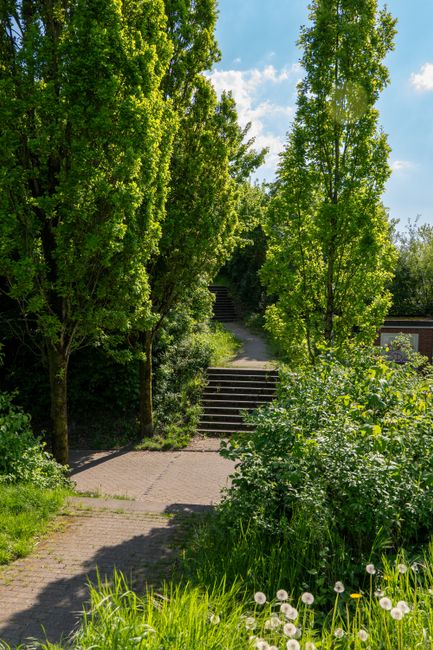
If you have ever booked garden work and then realised the side gate is too narrow, the path is blocked by bins, or the rear access is a bit of a squeeze, you already know how quickly a simple job can turn awkward. Common access problems for Wormwood Scrubs gardeners avoid mistakes is really about getting the basics right before the first tool comes out of the van. That matters whether you need regular upkeep, a one-off tidy, or heavier work such as clearance, hedge trimming, or tree surgery. A few small checks can save time, reduce mess, and help the job start properly rather than in a mild panic at the front door.
In this guide, we will walk through the access issues gardeners most often face around Wormwood Scrubs, why they matter, and how to avoid the typical mistakes people make. You will also find a practical checklist, a comparison table, and a few real-world examples that reflect how these jobs tend to unfold in ordinary London gardens. Truth be told, most access problems are not dramatic. They are just inconvenient enough to slow everything down if nobody thinks ahead.
Why Common access problems for Wormwood Scrubs gardeners avoid mistakes Matters
Garden access is one of those unglamorous details that decides how smooth a visit feels. If access is straightforward, the work usually starts on time, the team can move materials safely, and the finish is cleaner. If access is awkward, even a modest job can turn into a chain of delays. A mower may fit through a gate, but a wheelbarrow of green waste might not. A hedge trimmer is fine to carry, but bulky branches, bags of soil, or a line of turf are another story.
In Wormwood Scrubs, access problems often show up in ways that are perfectly normal for inner London: shared passageways, narrow side returns, locked gates, tight front paths, basement steps, and gardens tucked behind flats or converted buildings. None of that is unusual. The mistake is assuming the crew will just work around it without any planning. They often can, but not always without extra time or changes to the approach.
Access also affects safety. Gardeners carrying sharp tools, working with green waste, or manoeuvring equipment through a cramped route need enough room to avoid knocks, trips, and awkward lifts. That is why many professional teams will ask for photos or a quick access description before arriving. It is not fussiness. It is common sense.
If you want broader help with recurring upkeep rather than a one-off visit, it can be useful to look at garden maintenance support alongside access planning. The two go hand in hand more often than people think.
How Common access problems for Wormwood Scrubs gardeners avoid mistakes Works
The process is simple enough, but it works best when you treat it like part of the job rather than an afterthought. Access planning usually starts before the team arrives. Someone checks how the gardeners will enter, where they can park or unload, where tools can be stored during the visit, and how waste will leave the site.
Here is the basic flow:
- Identify the route in and out. That means gates, side access, rear alleyways, communal corridors, or any shared entry point.
- Measure or estimate the tight spots. Width matters, but so does turning space, step height, and overhead clearance.
- Check what is already in the way. Bins, bikes, garden furniture, stored materials, washing lines, and even a parked scooter can change the plan.
- Match the access route to the task. A light pruning visit is different from a full garden clearance or landscaping work that involves heavier loads.
- Agree how waste and materials will move. If branches, hedge cuttings, soil, or paving debris need to pass through the house or a shared hallway, that should be clear in advance.
- Confirm any restrictions. Some properties have limited hours, shared entrances, or neighbours who need warning. A quick heads-up can prevent a slightly awkward conversation on the day.
A small but important point: access is not only about the gate. It is about the whole path the gardener must use from the street to the working area and back again. That includes the bits people forget, which is usually where the trouble starts.
For larger or more technical jobs, the route matters even more. If you are comparing different kinds of work, the needs of tree surgery are very different from standard lawn care. A branch that needs careful removal is not the same as a bag of grass clippings. Obvious, yes. Yet people mix them up all the time.
Key Benefits and Practical Advantages
Getting access right gives you more than convenience. It changes the quality of the whole visit. The gardener spends less time wrestling with logistics and more time doing the actual work. That usually means better value, fewer interruptions, and a neater finish.
- Less wasted time: No one likes standing around while a key is found or a gate is cleared.
- Lower risk of damage: Narrow entrances and hard corners are where fence panels, pots, tools, and paving slabs can get knocked.
- Safer working conditions: Clear routes reduce trip hazards and awkward lifting.
- Better scheduling: When the team knows the access limits, they can arrive prepared with the right equipment.
- Cleaner results: Waste removal is easier when the route is planned, especially after pruning or clearance.
- Fewer follow-up calls: Good access planning cuts out the back-and-forth that often eats into a day.
There is also a commercial advantage. If access is known early, quotes tend to be more accurate. That helps avoid surprise add-ons later. For homeowners and landlords, that predictability is worth a lot. For landlords or managing agents, it can be the difference between a tidy turnaround and a messy complaint from residents who did not know what was happening.
And yes, some jobs really do become much cheaper to handle when access is clear. It is not magic. It is just easier work.
Who This Is For and When It Makes Sense
This kind of planning is useful for almost anyone booking outdoor work in Wormwood Scrubs, but a few groups benefit especially:
- Homeowners with rear gardens accessed through a shared side passage or narrow doorway.
- Tenants and landlords managing properties where access may be controlled by a letting agent or building manager.
- People booking clearance or landscaping because bulky waste and materials need a practical exit route.
- Anyone with fencing, decking, or patio work where panels, timber, or debris need to be carried through tight spaces.
- Households with pets, children, or frequent visitors who need a safer, better-organised workday.
It makes sense whenever the garden is not simply open at the back and ready to go. If you have to think twice about where a wheelbarrow would fit, you probably need access planning. That is the honest answer.
It is also worth considering if the job is seasonal. Early spring and late summer visits often involve more green waste, more clipping, and more trips in and out. In damp weather, muddy paths and slippery steps make access even more sensitive. A route that seemed fine in July can feel completely different in November.
Step-by-Step Guidance
Here is a sensible way to handle access before a gardener arrives.
1. Walk the route yourself
Start at the street and walk all the way to the garden. Notice the obvious things, but also the awkward little ones: tight turns, low walls, loose paving, hanging baskets, and storage boxes that nibble into the passage. If you would have to turn your shoulders sideways to get through, say so.
2. Measure the narrow points
You do not need a surveyor's kit. A tape measure is enough for key points such as gate width, doorway clearance, and any step or ramp. If a measurement is not practical, take clear photos from both directions. Pictures are often easier than a long explanation on the phone.
3. Decide what can be moved before the visit
Bins, toys, pot plants, ladders, bikes, hose reels, and garden furniture can all be shifted temporarily. In a small garden, this can make a bigger difference than people expect. A path that looked unusable can suddenly become manageable with ten minutes of clearing.
4. Match access to the task
If the job involves mowing or light tidying, a tighter route may be fine. If it involves heavy pruning, clearance, or new landscaping, the same route may be too restrictive. This is where experience counts. A good team will judge whether the route is workable or whether a different method is needed. For example, lawn mowing has very different access demands from moving soil or timber.
5. Confirm parking and unloading
If a vehicle cannot stop close by, garden materials may need to be carried further than expected. That sounds minor until you are doing it repeatedly. Check whether there is a loading option, a visitor bay, or a practical drop-off point. If not, mention that early.
6. Share the known issues in advance
Say if the gate sticks, the lock is awkward, the alley floods when it rains, or the neighbour's bins are always in the way on collection day. These are the details that save time. Not glamorous, but very useful.
7. Recheck on the day
Sometimes the route changes overnight. A delivery van blocks the alley. Someone has stacked bags by the shared entrance. The unexpected happens. A quick recheck at the start of the day prevents silly delays later.
Expert Tips for Better Results
In our experience, the best access planning is calm, practical, and just slightly over-prepared. Not dramatic. Just sensible.
- Take one wide photo and one close-up photo of every narrow route. That gives a better sense of scale than a single image taken from a distance.
- Keep the gate key or access code ready. Sounds obvious, but it is one of the most common bottlenecks.
- Label which entrance is used for people and which is used for waste. If there is a choice, make it clear.
- Leave enough light where the team will be walking. A dim passage in the early morning can slow things down more than people realise.
- Warn neighbours if shared access is involved. It keeps tempers cooler, which is always nice.
- Ask the gardener if they need a clear parking or loading point. Especially for bigger jobs, this can save a lot of carrying.
One small professional habit worth copying: keep a note on your phone with the gate code, parking details, and any access quirks. Next time you book, you will not have to rummage for the information at the worst possible moment. Handy, that.
If access issues are linked to boundary changes or old timber fencing, it may also help to review fencing services early, because a stubborn gate or warped panel often becomes the real access problem.
Common Mistakes to Avoid
This is where many jobs wobble a bit. The issues are usually predictable, which means they are avoidable if you know what to watch for.
- Assuming "they will manage". Sometimes they will, sometimes not. Better to be specific.
- Giving only a postcode and nothing else. A postcode does not tell anyone whether the rear garden is easy to reach.
- Forgetting about waste removal. Cutting the hedge is one thing. Getting the cuttings out is another.
- Ignoring shared spaces. Communal hallways, passages, or alleys can create delays if they are blocked or controlled by others.
- Not checking gate width or step height. One of the most common mistakes. Small difference, big effect.
- Leaving furniture, bins, and bikes in the route. This is the classic "I meant to move that" problem.
- Booking complex work without mentioning access constraints. Landscape changes, clearance jobs, and tree work need more detail than a light tidy.
Another frequent issue is underestimating how long moving materials takes. A job may be straightforward once the team reaches the garden, but if every bag has to be carried through a narrow side return, time adds up quietly. No drama, just friction.
And yes, sometimes the mistake is simply not asking the right question. Can the mower get in? Can the branches get out? Can the van stop nearby? Three plain questions, but they reveal a lot.
Tools, Resources and Recommendations
You do not need much to handle access properly, which is the good news. The essentials are simple.
- Tape measure: Useful for gates, side paths, steps, and doorway widths.
- Smartphone camera: Quick photos are often the clearest way to explain a layout.
- Notepad or notes app: Record locks, codes, parking details, and neighbour considerations.
- Gloves and sturdy footwear: Helpful if you are moving items before a visit.
- Basic clearing tools: A broom, sack, or garden bag can make access routes safer and easier.
From a service planning point of view, it is also worth choosing the right kind of support. For regular upkeep, general gardening services may be enough. For larger interventions, you may need landscaping support or a more targeted service such as patio cleaning if slippery surfaces are part of the access problem.
If you are trying to weigh up the scope before booking, the company's pricing and quotes information is a sensible place to start. Access details can influence the quote, so giving accurate information usually helps everyone.
Law, Compliance, Standards, or Best Practice
Access planning has a practical safety side as well as a customer-service side. In the UK, work on private property should be carried out with sensible attention to safe movement, manual handling, and site conditions. That does not mean every garden needs a formal document pile on the kitchen table. It does mean the working route should not be improvised if it is clearly tight or hazardous.
Good practice usually includes:
- keeping walkways as clear as possible;
- making sure gates and access points are usable before work begins;
- reducing trip hazards where possible;
- handling waste and tools in a way that avoids injury or damage;
- using protective equipment where the task calls for it;
- checking that any shared access arrangements are understood by everyone involved.
For customers, it is sensible to look at a company's approach to safety and insurance before booking. The right questions are plain enough: are they insured, do they explain how they manage safety, and do they provide clear terms? Those are the basics, and they matter. You can review a company's health and safety policy and insurance and safety information to understand how they approach risk. It is also worth checking terms and conditions so access-related charges, delays, or restrictions are not a surprise later.
For sustainability-minded jobs, especially where there is green waste or old materials to remove, the recycling and sustainability approach may also be relevant. Access planning and waste handling often overlap, especially on larger clearances.
Options, Methods, or Comparison Table
Different kinds of access problems call for different responses. Here is a simple comparison to help you decide what is likely to work best.
| Access situation | Best approach | Typical risk if ignored |
|---|---|---|
| Wide front access with clear route to rear garden | Basic confirmation and normal booking details | Low, though parking and waste removal still matter |
| Narrow side return or shared passage | Measure widths, remove obstacles, share photos in advance | Delays, awkward carrying, potential damage |
| Locked communal entry or managed building access | Confirm permissions, codes, and timing with the relevant contact | Team may be unable to enter or leave efficiently |
| Heavy waste removal after pruning or clearance | Plan for repeated trips, bagging, and temporary staging | Longer job time and more fatigue |
| Work involving timber, fencing, or landscaping materials | Check whether materials can be carried through the route or need splitting down | Material damage, blocked access, missed deadlines |
To put it simply, a light maintenance visit can often be handled with minimal fuss. A clearance or landscaping job needs a more deliberate plan. That is the difference.
Case Study or Real-World Example
A typical Wormwood Scrubs example goes like this. A homeowner books a hedge trim and a small garden tidy. The garden sits behind a terrace, and access is through a narrow side passage with a shared gate. On paper, it sounds straightforward.
On the day before the visit, the owner walks the route and notices three things: the gate sticks slightly, two bins are parked halfway across the passage, and a stack of old plant pots narrows the turn into the back garden. Nothing major. But enough to make moving a wheelbarrow awkward.
They clear the pots, move the bins to one side, and send a couple of photos to the gardener. They also mention that the gate key can be a little fussy. The team arrives, gets in quickly, and does the work without having to rearrange the route first. No damage, no delays, and the waste comes out cleanly. Boring in the best possible way.
Now compare that with the version where nobody says anything. The team arrives, finds the passage blocked, spends ten minutes waiting while things are moved, and then has to work more slowly to get cuttings out. Same garden, same task, different outcome. That is why access planning pays off even on small jobs.
For more involved projects, such as heavy planting or structural changes, booking alongside landscape gardening or decking services may require a more detailed access conversation from the start. Better to have it early than halfway through.
Practical Checklist
Use this before the gardeners arrive.
- Have I walked the full route from the street to the garden?
- Do I know the width of the gate or narrowest point?
- Are bins, bikes, furniture, and pots out of the way?
- Have I checked whether parking or unloading is possible nearby?
- Are there steps, slopes, loose slabs, or slippery patches that need attention?
- Have I shared photos of any tight or awkward areas?
- Do I know how waste will leave the property?
- Have I told the gardener about locks, codes, or shared entrances?
- Have I warned neighbours if access is communal or likely to be busy?
- Have I checked whether the job is a simple tidy or a larger task that needs more space?
If you can tick most of those boxes, you are in good shape. If not, do a quick second pass. It only takes a few minutes, and it can save a surprising amount of hassle.
Conclusion
Access issues are rarely the headline of a garden project, but they shape almost everything that happens on the day. For Wormwood Scrubs properties, where many gardens sit behind terraces, flats, or shared routes, the difference between a smooth visit and a frustrating one often comes down to preparation. Measure the tight spots, clear the path, share the awkward details, and be honest about what the gardener will actually need to move in and out.
When you do that, the work tends to feel calmer, quicker, and better organised. That is the real win. Not perfection. Just a job that starts well and finishes well. And, frankly, that is enough.
If you are planning a garden visit and want to avoid the usual access snags, start with the practical details now and let the job be the easy part later.
Get a free quote today and see how much you can save.
Frequently Asked Questions
What are the most common access problems for gardeners in Wormwood Scrubs?
The most common issues are narrow side passages, locked gates, shared entrances, blocked paths, and limited space for moving waste or materials. In older London properties, these often appear together rather than alone.
Do I need to measure the gate before booking a gardener?
It is a very good idea, especially if the route is tight. A rough width and a couple of photos usually help more than a general description like "it should be fine".
Can gardeners work if access is only through a house or flat entrance?
Sometimes, yes, but it depends on the task, the floor layout, and how much waste or equipment needs to pass through. Light maintenance may be manageable; larger jobs are trickier.
Should I clear the garden before the team arrives?
If you can remove bins, toys, furniture, and other obstacles, that usually helps a lot. Even a small amount of clearing can make a narrow route much easier to use.
How does bad access affect the quote?
It can affect time, labour, and waste handling, so it may influence the quote. That is why being accurate about access early is better than hoping it all works out on the day.
What should I tell the gardener about access?
Tell them about gate width, shared entrances, lock codes, parking, steps, muddy areas, and anything else that could slow down movement. The awkward little details are the ones that matter most.
Is access more important for clearance than for routine maintenance?
Usually, yes. Clearance and larger landscaping jobs create more waste and require more carrying, so access becomes more important very quickly.
What if my neighbour controls the shared passage?
Let the gardener know in advance and make sure permission is sorted before the visit. Shared access arrangements are one of the easiest places for delays to happen.
Are there safety concerns with narrow garden access?
Yes. Tight routes can increase the risk of trips, knocks, and awkward lifting. That is why a clear path and good communication matter, especially on heavier jobs.
What is the best way to show access problems to a gardener?
Photos are usually best, especially if they show the route from both directions. A short written note can help too, but pictures often explain the space much faster.
Can access problems be fixed permanently?
Sometimes they can be improved with better gate hardware, tidier storage, or minor layout changes. In other cases, the best solution is simply better planning each time a job is booked.
When should I mention access problems during the booking process?
Right away. The earlier the information is shared, the more likely the team can bring the right tools and plan the work properly without delays.
Where can I learn more about the company before booking?
You can read the about us page for background and review the contact details if you need to ask about your specific access situation.