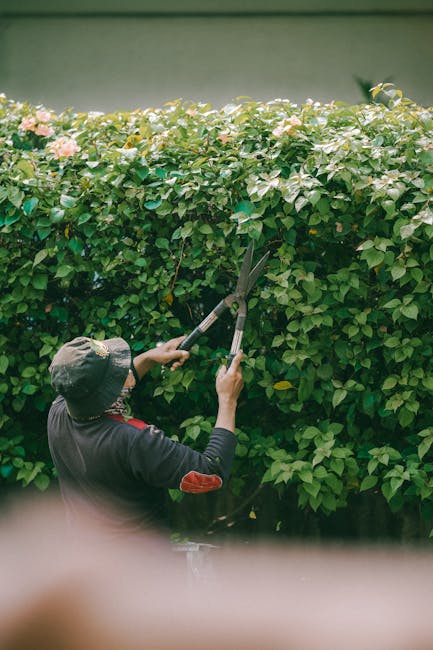
Avoid delays when booking gardeners in Shepherds Bush: common problems and how to fix them
If you have ever tried to book a gardener in Shepherds Bush and found yourself stuck in a loop of missed calls, vague timings, or back-and-forth messages, you are not alone. Garden work often looks simple from the outside, but the booking process can slow down for all sorts of very ordinary reasons. The good news? Most of those delays are avoidable once you know what usually causes them and how to prepare properly.
This guide breaks down the common problems when booking gardeners in Shepherds Bush, why they happen, and what you can do to get a smoother, faster response. Whether you need routine garden maintenance, a one-off tidy-up, or a bigger project such as landscaping, the same booking snags tend to crop up. Let's face it, nobody wants to wait around while the grass keeps growing and the hedge does its own thing.
By the end, you will know how to reduce delays, ask the right questions, and choose the right time and service for your garden without faffing about.
Why Avoid delays when booking gardeners in Shepherds Bush common problems Matters
Booking delays are more than an inconvenience. In a busy London area like Shepherds Bush, timing affects everything from hedge growth to access issues and neighbour relations. A job that should have taken a morning can start drifting into next week because the quote was unclear, the property details were incomplete, or the team could not estimate the amount of work properly.
That matters because garden tasks are often seasonal. Miss the right window for pruning, lawn care, or hedge trimming, and the job becomes harder or less effective. For example, if you are looking at hedge trimming, leaving it too late can mean dense growth, awkward access, and a longer visit than expected. Same story with lawns. A quick mow becomes a heavier tidy-up if the grass has been left to sit for too long, so checking lawn mowing support early can save a lot of stress.
There is also the practical side. Many gardens in Shepherds Bush sit behind narrow side access, shared paths, or small front gates. If those details are not mentioned up front, a gardener may need to reschedule, bring extra equipment, or rework the plan. That is how simple bookings get delayed. Not glamorous, just real life.
Expert summary: the fastest booking process is usually the one with the clearest brief, the most accurate access information, and a realistic sense of timing. Most delays come from missing details, not from the gardening itself.
How Avoid delays when booking gardeners in Shepherds Bush common problems Works
At a practical level, the booking process usually follows a simple pattern: you explain the work, the gardener assesses the request, a date is offered, and the team confirms the scope. Delays happen when one of those steps gets fuzzy.
Here is the typical flow:
- Initial enquiry. You outline the job, location, and urgency.
- Assessment. The gardener works out whether it is a quick visit or a larger project.
- Scheduling. A suitable date or time slot is offered based on workload and travel.
- Preparation. If needed, details such as access, parking, photos, and service scope are confirmed.
- Attendance. The team arrives with the right tools and enough time allocated to complete the work properly.
The problem is that people often skip straight to "How soon can you come?" without giving enough context. That leaves the booking team guessing. And guessing leads to delays. A vague message like "garden needs sorting" is very different from "front and back garden, light weeding, lawn cut, one hedge trimmed, easy side access, no waste removal required."
Some services also need more lead time than others. A tidy lawn or light maintenance visit may be easier to slot in than structural work, tree work, or surface restoration. If the task involves harder labour, specialist tools, or multiple stages, it is worth checking the relevant service first, such as tree surgery or patio cleaning, because those jobs often need more planning than a basic garden visit.
Key Benefits and Practical Advantages
Getting ahead of booking delays does not just save time. It improves the whole experience from the first message to the final tidy-up.
- Faster scheduling: clear requests are easier to fit into the diary.
- Better quotes: accurate details reduce rework and surprise extras.
- Less disruption: you avoid last-minute rearrangements around work, school runs, or deliveries.
- More accurate service matching: the right team can be assigned to the right job.
- Better garden results: work happens at the right time, not after the garden has already run away with itself.
There is also a quieter benefit: peace of mind. Once you know the booking has been explained properly, you stop worrying whether someone will turn up with the wrong kit or only half the information. That confidence matters, especially if you are coordinating work before visitors arrive or before weather changes.
For larger outdoor plans, efficient booking can also help you sequence tasks sensibly. For example, you might want maintenance first, then lawn care, then a larger improvement project later. Or you might coordinate a fresh tidy-up with ongoing maintenance so the garden stays manageable instead of becoming a recurring emergency.
Who This Is For and When It Makes Sense
This advice is for anyone who wants gardening work done without unnecessary waiting or confusion. That includes homeowners, landlords, tenants with permission, property managers, and people preparing gardens for events, moves, or seasonal upkeep.
It makes particular sense if you are dealing with any of the following:
- a garden that has been left untouched for several weeks or months
- a hedge or lawn that needs attention before it becomes unruly
- limited access or a tight schedule
- multiple jobs that need grouping into one visit
- an outdoor area that needs more than basic trimming, such as fencing, decking, or hard-surface care
If your work is more than a quick cut-and-tidy, booking early really helps. A project involving fencing or decking services, for instance, may need a different schedule, different materials, and a more detailed plan. These are the jobs that tend to stall when the first enquiry is too vague.
On the other hand, if you only need a straightforward seasonal spruce-up, the process can be quite quick. A short message, a few photos, and your preferred times are often enough to move things along nicely. Simple as that, really.
Step-by-Step Guidance
1. Define the job properly before you enquire
Write down what you actually want done. Not what the garden needs in broad theory, but the practical tasks. For example: mow front lawn, remove weeds from borders, trim one rear hedge, clear clippings, and tidy paving. If the work is varied, say so.
2. Add access details straight away
Mention gate width, side access, parking limits, and whether tools need to be carried through the house or down steps. In Shepherds Bush, access is often the hidden delay-maker. A team that knows there is tight access can plan for it. A team that learns about it on arrival may need to adjust or return another day.
3. Share photos if possible
A few clear pictures usually speed things up more than a long message. Show the lawn, hedge line, damaged area, or patio. One or two photos from different angles can help the gardener assess labour, equipment, and time. This is especially useful if you need help with patio cleaning or more detailed garden care.
4. Be realistic about timing
If you want a fast booking, say whether the job is urgent or flexible. Flexibility gives more room for a quicker slot. Urgency matters too, but if you can accept morning or afternoon rather than a precise minute-by-minute window, you will often get booked sooner.
5. Confirm the scope before the date is fixed
This is where many delays start. If you mention "just a small tidy" but later add weeds, waste removal, hedge work, and jet washing, the original slot may no longer work. Confirm exactly what is included before the appointment is locked in.
6. Keep communication simple and responsive
If someone asks a follow-up question, reply as soon as you can. Booking delays often stack up because each message waits for the next one. A quick answer can keep everything moving. Honestly, half the battle is just not letting the conversation drift.
7. Prepare the garden before the team arrives
Move bikes, toys, plant pots, and loose garden furniture if you can. If the gardener spends the first ten minutes clearing access, the visit will feel slower than it needed to be. A little prep goes a long way.
Expert Tips for Better Results
From a practical standpoint, the best bookings are the ones that feel easy to say yes to. That means your enquiry should answer the obvious questions before they are asked.
- Use task-based language: say what you need done, not just that the garden looks messy.
- Split urgent and non-urgent jobs: if the front garden needs a quick fix but the back garden can wait, say so.
- Mention recurring work: weekly or fortnightly maintenance is easier to plan than ad hoc requests.
- Include seasonal context: spring growth, autumn leaf fall, or winter cutback each affect timing.
- Ask about service fit: not every gardener is best placed for every job, especially specialist tasks.
A good local example: someone books for hedge trimming, but the hedge has grown into a mixed border and is partly overhanging a pathway. If they mention that upfront, the gardener can bring the right tools and allow a safer time slot. If not, the team may need to return with a revised plan. Bit annoying, avoidable, and very common.
Also, think about whether your garden could benefit from grouping services. A maintenance visit may be more efficient if combined with mowing or hedge care. That is where a broader gardening services approach often reduces repeat delays, because one visit solves several small problems at once.
Common Mistakes to Avoid
Most booking delays come from avoidable mistakes, not from bad service. The good news is that once you spot them, they are fairly easy to fix.
- Being too vague: "Need garden done" tells the gardener almost nothing.
- Leaving out access issues: narrow side entries, locked gates, and parking problems matter.
- Changing the brief after booking: adding extra jobs can disrupt the schedule.
- Waiting until the garden is desperate: the more overgrown it is, the harder it is to fit in quickly.
- Assuming all gardening tasks take the same time: mowing and tree work are very different beasts.
- Ignoring seasonal rush periods: spring and early summer tend to be busier, so lead times can stretch.
Another common one: people ask for a fast booking but are unavailable for calls or messages during the day. That sounds trivial, but it slows everything down. If the person arranging the job cannot respond until late evening, the slot may already have gone. Not a drama, just how it goes.
Tools, Resources and Recommendations
You do not need specialist software to book a gardener well, but a few simple tools help a lot.
- Phone camera: take clear photos of the work area.
- Notes app: keep a brief list of tasks, access issues, and preferred dates.
- Calendar: share your availability before asking for a slot.
- Measuring tape or rough estimates: useful for hedges, borders, and patio areas.
- Weather awareness: London rain and wind can shift outdoor timing, so leave some room for adjustment.
If you are deciding what kind of service you need, it can help to compare the main work categories first. For example, regular lawn work is quite different from structural garden improvements or larger tidy-up jobs. A quick read of lawn mowing support, hedge trimming, or even landscaping options can help you describe the job in the right language from the start.
If you like reading around the subject, there are also a few useful blog topics on this site that can help you plan better gardens and better timing, such as seasonal protection, garden revitalisation, and smarter planting approaches. The key is to gather ideas before the garden reaches that slightly panicky stage where everything needs doing at once.
Law, Compliance, Standards, or Best Practice
For most domestic garden bookings, the main compliance issues are practical rather than complicated. You want a service that works safely, respects access arrangements, and does not create avoidable nuisance for neighbours or damage to property.
In UK gardening work, good practice usually means:
- using suitable equipment for the task
- working carefully around paths, paving, fences, and planting
- checking what waste removal is included
- confirming who is responsible for access and permissions
- being mindful of noise, mess, and shared spaces
If the job involves larger trees, cuts near boundaries, or work affecting neighbouring areas, it is wise to raise those points early. Tree work and fencing are especially worth discussing in detail because they can involve more planning than a standard tidy-up. A careful brief helps reduce risk and prevents the awkward "that's not what I thought was agreed" moment. Nobody likes that call.
Best practice also means being honest about what the garden needs. If the area is heavily overgrown, say so. If there are trip hazards, broken paving, or fragile plants, say that too. That is not over-sharing; it is helping the gardener plan properly and safely.
Options, Methods, or Comparison Table
Not every booking needs the same approach. The fastest route depends on the type of garden work you need and how much detail is involved.
| Booking approach | Best for | Typical speed | Risk of delay |
|---|---|---|---|
| Simple task-only request | Small mowing, light weeding, basic tidy-up | Fast | Low if access is clear |
| Photo-backed enquiry | Mixed jobs, uncertain scope, awkward access | Usually fast | Low to moderate |
| Detailed project brief | Landscaping, fencing, decking, larger garden changes | Moderate | Lower once assessed properly |
| Urgent last-minute request | Overgrowth, event prep, weather-related tidy-up | Varies | Moderate to high |
In plain English, the more complex the work, the more useful a detailed brief becomes. If it is a tidy front garden, keep it simple. If it is a bigger transformation, give the gardener enough information to plan the job properly from the outset. That balance is what keeps things moving.
Case Study or Real-World Example
Here is a realistic example from the kind of booking situation that happens all the time in Shepherds Bush.
A homeowner needed a back garden cut back after a few busy weeks. The first enquiry simply said, "Garden needs sorting soon." A reply came back asking for more detail, but the homeowner was at work and did not see it until the next day. By then, the next available slot had shifted.
On the second attempt, the homeowner sent three photos, confirmed side access was narrow, and listed the jobs: lawn mow, border weed clear, hedge trim, and waste removal. The booking moved much faster. The gardener could see it was a half-day visit rather than a quick drop-in, and the right tools were planned in advance.
The difference was not magic. It was clarity.
That is the pattern worth copying. If you want a quick and smooth booking, help the team understand the garden before they arrive, not after. It really is that simple, though not always easy when life is busy.
Practical Checklist
Use this checklist before you book:
- Do I know exactly what tasks need doing?
- Have I listed any access or parking issues?
- Have I taken clear photos of the garden?
- Have I said whether the job is urgent or flexible?
- Do I know whether waste removal is needed?
- Have I grouped small jobs into one visit where sensible?
- Have I checked whether the work needs specialist help?
- Am I available to respond quickly if the gardener has questions?
- Is the garden reasonably clear so the work can start without delay?
- Have I allowed for seasonal timing and weather changes?
If you can tick most of those off, you are already ahead of the average booking. And yes, that does make a difference.
Conclusion
Avoiding delays when booking gardeners in Shepherds Bush is mostly about preparation, not pressure. Clear details, realistic timing, and honest communication make it much easier for a gardener to quote, schedule, and complete the work without hassle.
The common problems are usually the small ones: vague messages, missing access details, scope changes, and last-minute surprises. Once those are sorted, the whole process becomes calmer and far more predictable. You get a quicker response, the right level of service, and a better result in the garden itself.
So if you are planning a tidy-up, a seasonal refresh, or something bigger, take ten minutes to gather the details first. It may save you days of back-and-forth later. And that, to be fair, is time well spent.
Get a free quote today and see how much you can save.
Frequently Asked Questions
Why do gardener bookings get delayed so often in Shepherds Bush?
Usually because the request is too vague, access details are missing, or the job turns out to be bigger than first described. Clear information speeds everything up.
What details should I include when I first enquire?
List the tasks, the garden size if you know it, access issues, parking limits, and whether you need waste removal. Photos help too.
Is it faster to book one service or several at once?
It depends. Simple jobs are easy to schedule separately, but bundling related tasks can reduce repeat visits and save time overall.
How far in advance should I book gardening work?
As early as you can if the job is seasonal or more involved. Short notice is sometimes possible, but the diary fills up quickly during busy periods.
What causes the biggest delays besides the gardener's schedule?
Access problems, unclear instructions, and last-minute scope changes are among the biggest causes. Those are usually the hidden time sinks.
Should I send photos before the visit?
Yes, if possible. Photos help the gardener understand the scope and spot anything that might affect timing, equipment, or safety.
Can weather delay a booking even after it is confirmed?
Yes. Outdoor work is always affected by weather to some degree, especially if the job involves cutting, cleaning, or heavy lifting.
What if my garden is very overgrown?
Say so. Overgrown gardens often need more time and may need a different appointment length. Being upfront prevents disappointment and rescheduling.
Do I need to be home for the appointment?
Not always, but it depends on access and the type of work. If you are not home, make sure arrangements are clear and practical.
Is hedge trimming easier to schedule than landscaping?
Usually yes, because hedge trimming is often more straightforward. Landscaping tends to involve more planning, time, and coordination.
How can I avoid miscommunication about what is included?
Write the tasks down clearly, confirm them before the booking is fixed, and do not assume anything is "obvious." That assumption causes problems all the time.
What is the best way to get a faster response from a gardener?
Keep your message short but specific, include photos, mention access details, and reply quickly to follow-up questions. A tidy brief gets a tidy response.